
Our insights on circular economy
For a circular energy transition
Exponential demand for critical materials, driven by the energy transition, may trigger supply chain problems. Circular economy business models could help decouple the renewable energy sector from material consumption. However, facing major economic, regulatory and financial barriers, the transition of the sector towards a circular economy still has a long way to go. In our report for the Green Purposes Company, we propose an action plan for the renewable energy sector to be fully aligned with the principles of a circular economy and reap its benefits.
The materials industry needs to transition to a circular economy
The materials industry is a major source of CO2 emissions. To reduce these emissions, it needs to transition to a circular economy.
Digitalising material flows
The power of digital technologies to enable the circular economy. Print version
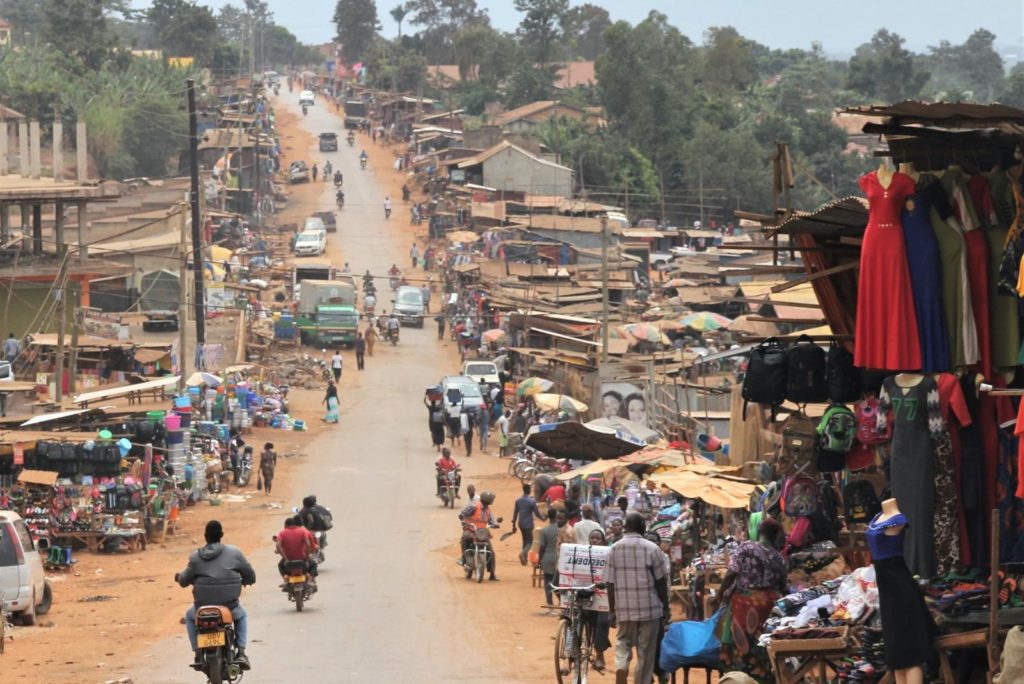
Can developing countries benefit from the circular economy?
Developing countries have not benefited from the linear economy. Can that change with the circular economy? Print version
Remaining at the top of the political agenda
We asked the former European Commissioner for the Environment, Janez Potočnik, how can the circular economy remain at the top of the political agenda.
Could circular economy help businesses face the worst recession ever?
During the Covid-19 pandemic, circular economy helped hospitals face supplies shortage. Can it help businesses face the worst recession ever?
Reverse logistics, the circular economy weakest link
Reverse logistics is sometimes described as the logistics going in the “wrong direction”. Yet it plays an important role to transitioning to a circular economy.
Waste watchers
For factories, applying circular economy strategies could create cost-saving opportunities and profitable new revenue streams.
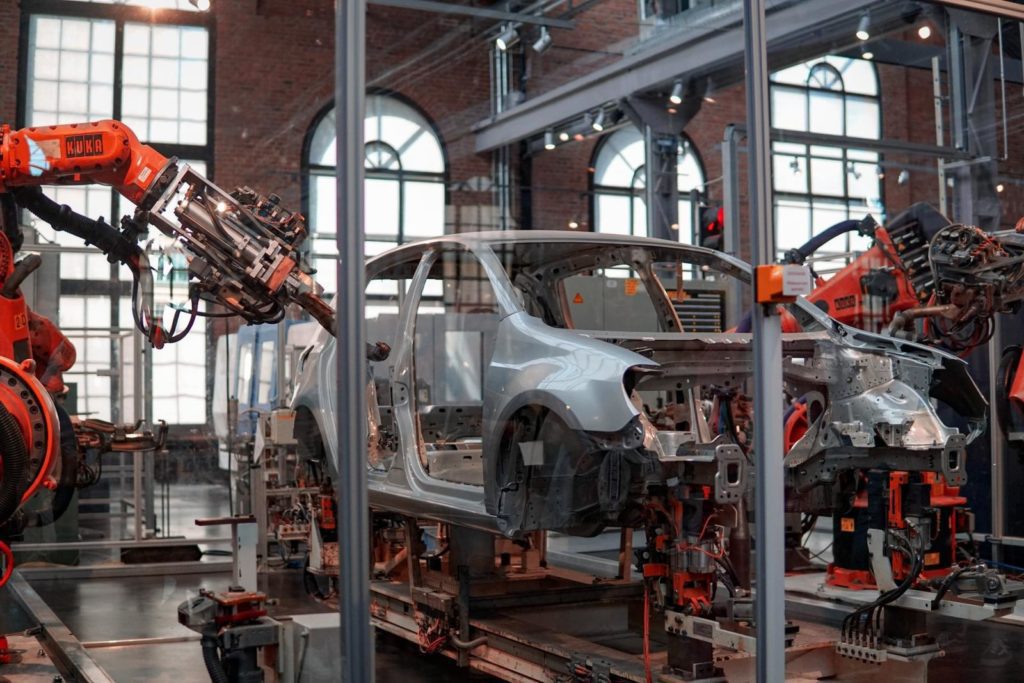
Toward factories with no assets
Today, many factories are using energy service companies to improve their energy efficiency.
Tomorrow, they will very likely buy pay-per-use services to improve their resource efficiency.
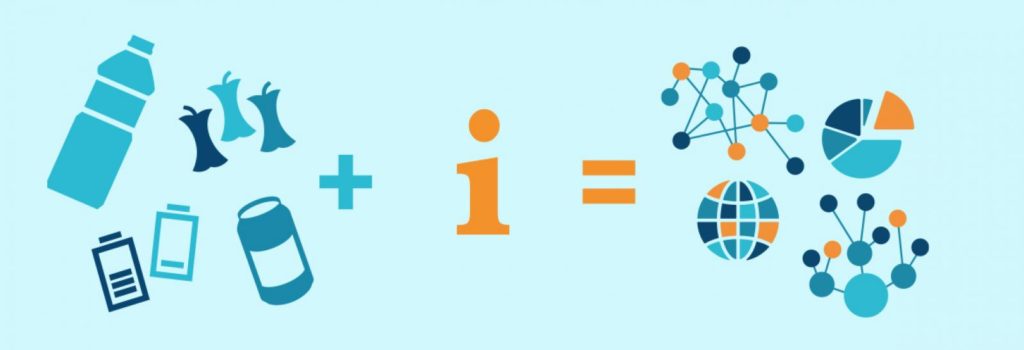
Waste + Information = Resource
To maintain the value of materials and products in the economy for as long as possible, the circular economy needs to have access not only to waste but also to information regarding said waste.
The machines that predict the future
Thanks to predictive maintenance, products can forecast failures before they occur.

Circular molecules
The circular economy and digitalisation will be the two most important trends employed by Germany’s chemical industry as it moves towards 2030.
Making products last
Thanks to remanufacturing, refurbishing and repair, products are not just consumables anymore, they become assets, our assets.

Chemical leasing
Chemical Leasing is a performance-based (service-oriented) business model that shifts the focus from increasing sales volume of chemicals towards a value-added approach.
Circular procurement
To improve material efficiency, purchasing departments could leverage circular economy.

Creating jobs, saving resources
For decades, companies have improved labour productivity to reduce their costs. But, they should rather focus on resource productivity, and create jobs.

Reducing hospitals cost
Unlike many other sectors, hospitals have not yet fully optimised their production resources. But that can change.
Fixing broken supply chains
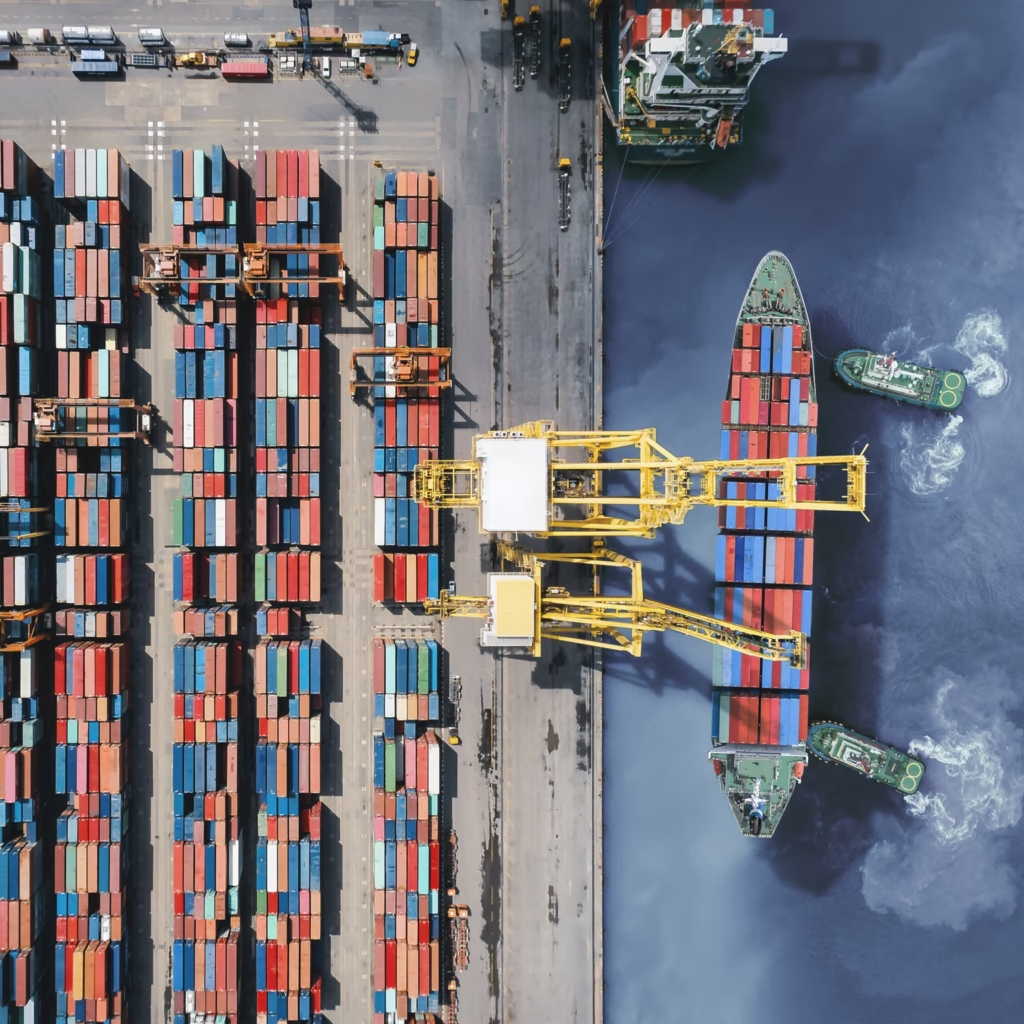
By implementing circular economy strategies, businesses could build more resilient supply chains

Ending e-waste
Waste electrical and electronic equipment is currently considered to be one of the fastest growing waste streams in the European union, growing at 3-5 % per year. That needs to change.
Circular economy, strategy for a sustainable world
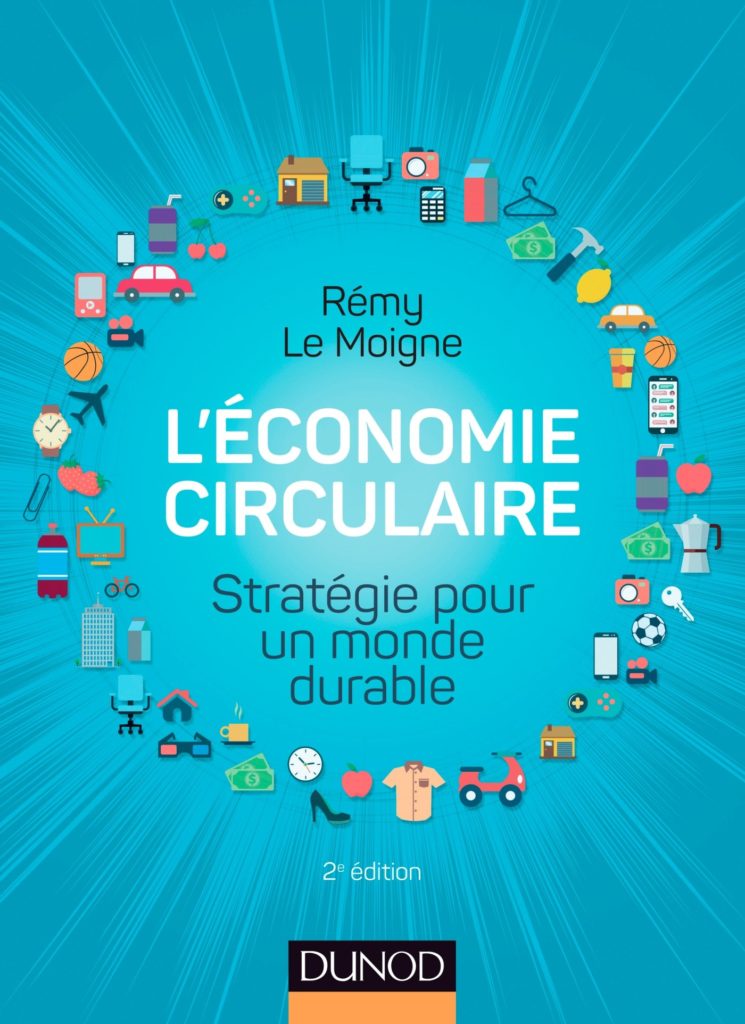
Our book, in French, is a practical guide for companies willing to transition towards a circular economy. Read an extract here.
Pay-per-use chemicals
A growing number of chemical companies offer to sell not their chemicals, but the service those chemicals provide.
Circular business model
Manufacturers must adopt circular business models to reduce costs, decrease CO2 emissions, and secure critical materials supply.
Contactez nos consultants en économie circulaire pour en savoir plus