Circular economy indicator
Why do businesses fail to measure progress towards circular economy outcomes?
Unlike carbon neutrality, the circular economy lacks a unique standardized indicator framework.
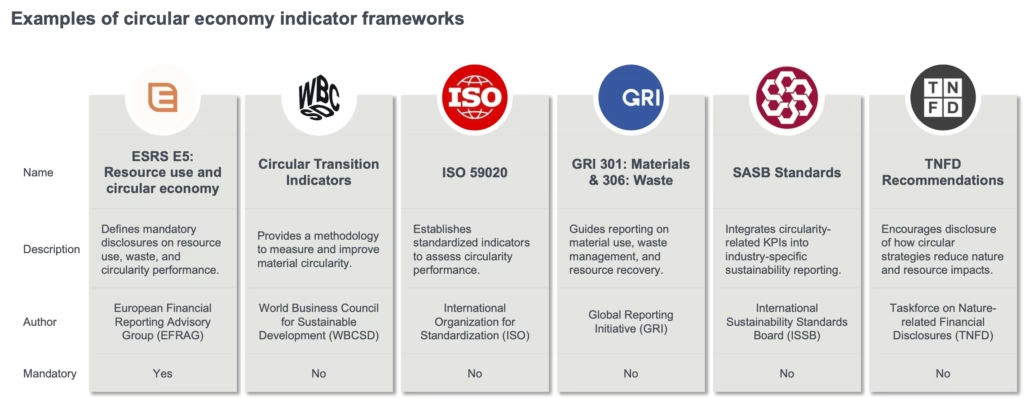
As a result, businesses face challenges in measuring progress towards circular economy outcomes.
75%
of companies fail to establish an initial level of circularity before implementing initiatives.
70%
of companies don’t set specific goals and targets.
73%
of companies have not identified performance indicators.
HOW WE HELP OUR CLIENTS
To assist businesses in measuring the outcomes of the circular economy, we have developed a robust four-step approach.
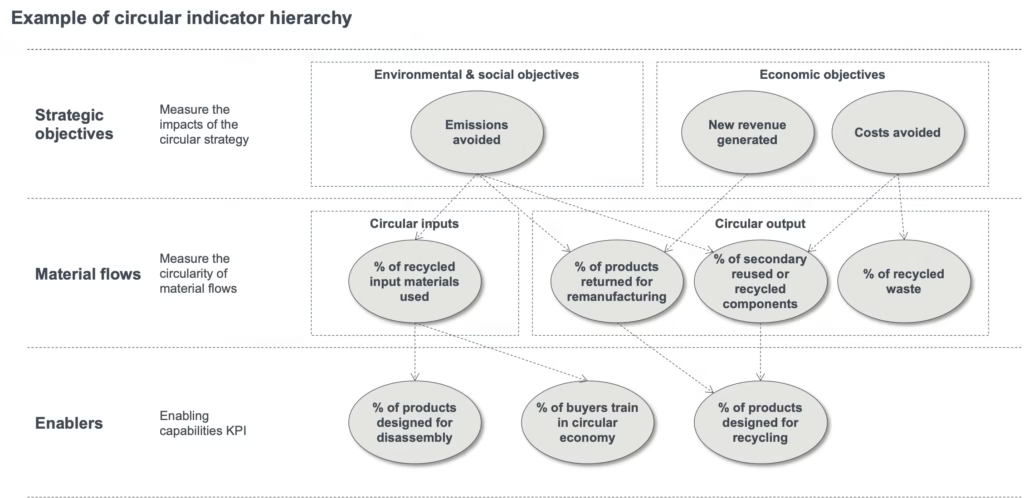
STEP 1: Design a circular indicator hierarchy driven by company’s strategy
The circular indicators hierarchy links strategic objective indicators to material flows indicators and to indicators of enablers.
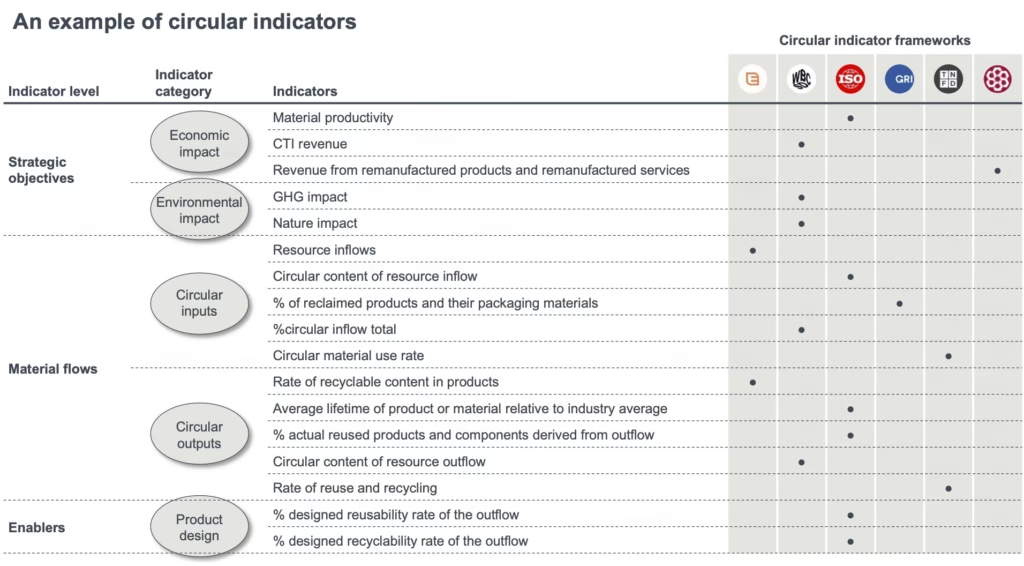
STEP 2: Select the relevant circular indicators from existing frameworks.
The various frameworks offer an extensive list of circular economy indicators.
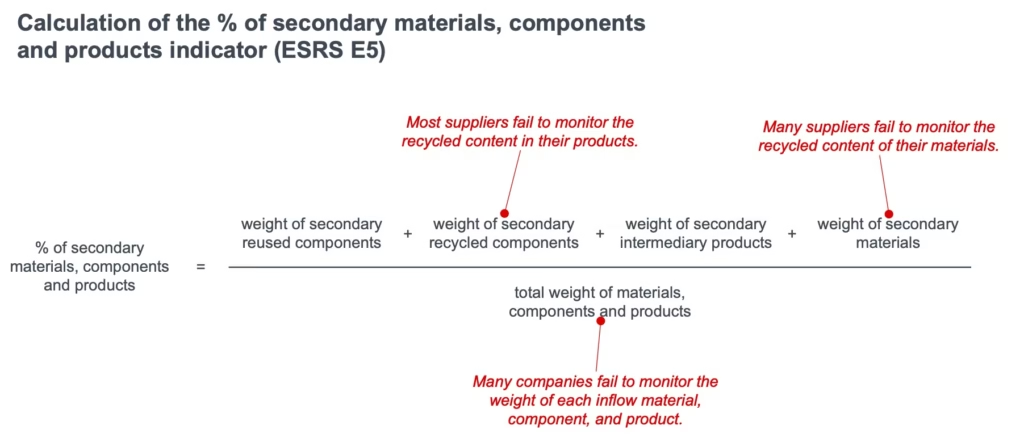
STEP 3: Ensure all the required data is available to calculate chosen indicators.
When primary data is unavailable, businesses may opt to use secondary data sourced from publicly accessible or paid sources, such as databases, research, or publications. Alternatively, they may choose to select another indicator.
STEP 4: Define a governance for circular economy indicators
A governance for circular economy indicators defines ownership, update frequency, validation rules, review bodies and change authority, ensuring indicators are consistently updated, formally reviewed, and used in decision‑making over time.
Our cases studies

For a chemical manufacturer, we designed a circular indicator dashboard to assess their progress toward achieving circular economy objectives.
Connect with our circular economy consultants to know more